Meal Prep Magic: Effortless Tips for Healthy Family Dinners
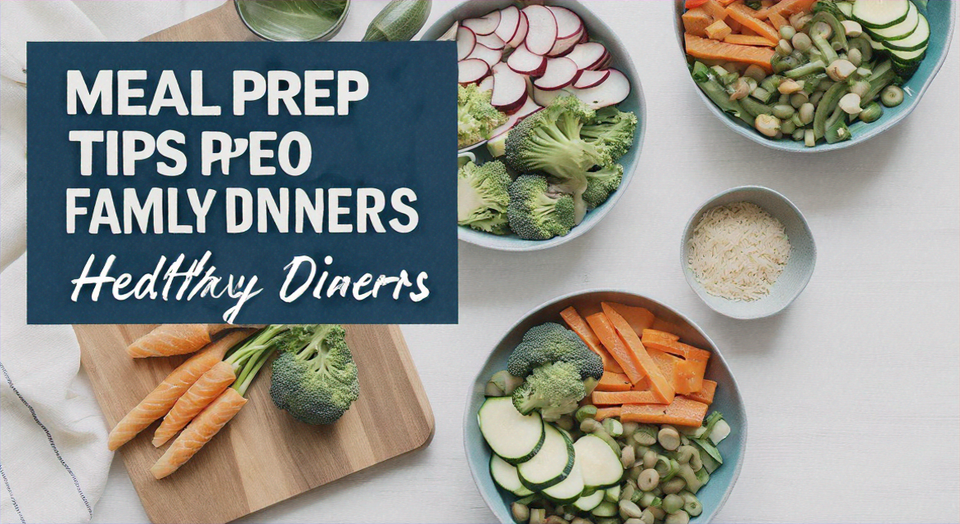
Embrace the Art of Meal Prep
Meal prep is more than a trend; it's a lifestyle that simplifies your week and promotes healthier eating habits. By dedicating a few hours to meal prep, you can enjoy delicious, nutritious meals with minimal effort.
Plan Your Meals Ahead
Start by planning your meals for the week. Consider the preferences and dietary needs of your family members. Use a simple spreadsheet or a meal planning app to organize your ideas.
- Example: Monday's dinner could be grilled chicken with quinoa and steamed broccoli, while Tuesday features vegetarian stir-fry with tofu and brown rice.
Batch Cook Staples
Prepare large quantities of staple ingredients that can be used in multiple meals. This saves time and ensures you always have healthy options on hand.
- Example: Cook a big batch of brown rice or quinoa on Sunday. Use it in salads, as a side dish, or in stir-fries throughout the week.
- Example: Roast a tray of vegetables like bell peppers, zucchini, and eggplant. These can be added to pasta dishes, pizzas, or enjoyed as a side.
Utilize Make-Ahead Components
Create components that can be assembled into full meals later in the week. This approach minimizes cooking time and reduces stress during busy evenings.
- Example: Marinate chicken breasts in the morning. When dinner time arrives, simply grill or bake them and serve with pre-cooked grains and veggies.
- Example: Prepare salad dressings and store them in mason jars. When ready to eat, toss with fresh greens and toppings for a quick, delicious salad.
Incorporate Family Favorites
Involve your family in the meal planning process. Ask for their input and incorporate their favorite dishes into your weekly plan. This ensures everyone is satisfied and excited about mealtime.
- Example: If your kids love tacos, prep taco fixings like grilled chicken, black beans, corn, and shredded cheese. Let everyone build their own tacos for dinner.
Store and Reheat Properly
Proper storage and reheating are crucial for maintaining the quality and safety of your prepped meals. Use airtight containers to keep food fresh and prevent contamination.
- Example: Store grains and proteins in separate containers to avoid sogginess. Reheat grains in the microwave and proteins on the stovetop for best results.
By incorporating these meal prep strategies into your routine, you'll find it easier to provide healthy, satisfying dinners for your family. Not only will you save time, but you'll also promote better eating habits and reduce food waste.
Key Takeaways: Plan ahead, batch cook staples, and involve your family in the process. With a little preparation, you can enjoy effortless, healthy dinners every week.